Through the Hills and Villages
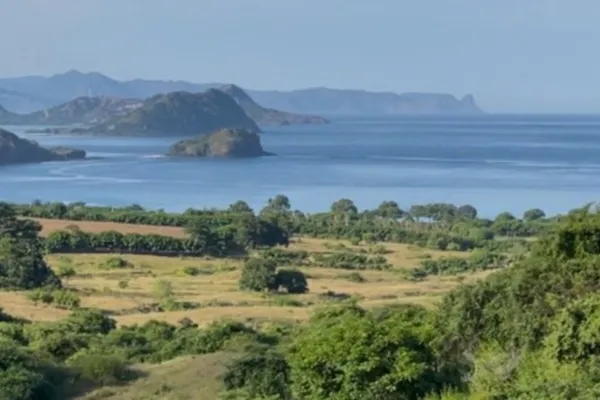
The road west ran long between the hills, miles of open ground with hardly any sign of development. The land felt untouched, just fields, palms, and the sea flickering in and out of view. Every few minutes, a bend revealed another empty stretch of coastline or another cluster of homes standing against the wind.
In the villages, life moved at its own rhythm. Children played barefoot, plotting their own small adventures and laughing without restraint. Every time we made eye contact, they waved and smiled, as if it was the most natural thing in the world. The adults were scattered across the fields—bent over crops, guiding buffalo with simple ploughs, or working with machines that looked built from whatever they could find. There was effort everywhere, but not urgency.
The hills were steep in places, the kind that make you downshift and let the vehicle crawl. Apart from the odd scooter carrying two young kids or a slow-moving truck with loose cargo, the road felt empty. It wasn’t the kind of isolation that makes you uneasy; it was calm, wide, and honest. Small monkeys watched from trees near the edge of the asphalt, vanishing the moment you tried to point them out.
The villages thinned as we travelled further west. Each one seemed smaller, but every face we passed looked healthy, bright, and alive. There was a quiet strength in the way people carried themselves—living simply, but not struggling.
If I had to tell someone what to expect on that drive, I’d say: don’t expect anything. Just be patient. The land will show you what it wants to. You’ll see happy, vibrant people living with almost nothing of what we call comfort, and you’ll start to feel that maybe all the fast, excessive parts of our world aren’t as necessary as we think. You’ll find yourself wondering what waits at the end of the road—and you’ll already know it will be worth it.

